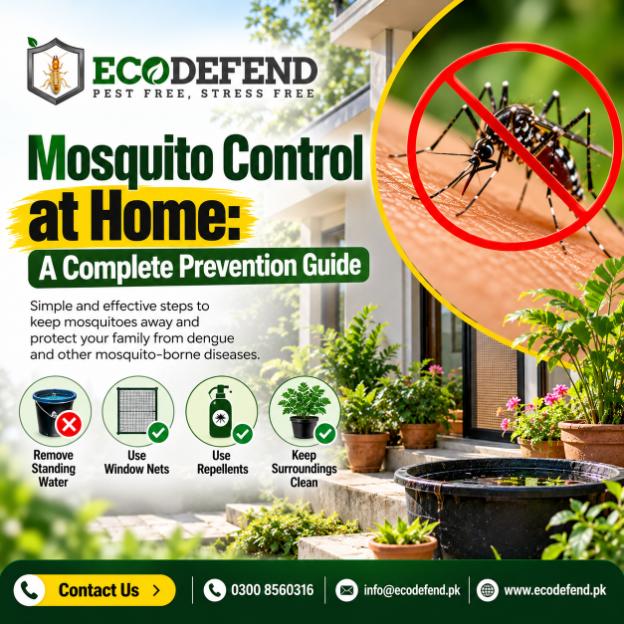
Mosquito control isn’t something most households think about until mosquitoes are already a nightly problem. By then, a single spray rarely solves it, because mosquitoes are usually breeding somewhere close by — not just flying in from outside. This guide walks through how mosquito control actually works, when mosquito spraying is enough and when mosquito fumigation is needed, and the everyday mosquito prevention habits that keep the problem from coming back.
Why a Single Spray Isn’t Enough
Mosquitoes multiply fast. A small amount of standing water — even a bottle cap’s worth — is enough for eggs to hatch within about a week. That means mosquito control has to work on two fronts at once: reducing the mosquitoes already flying around, and removing the conditions that let new ones hatch.
Common breeding spots people overlook include:
- Flower pot saucers and plant trays
- Buckets, drums, and old containers that collect rainwater
- Clogged gutters and rooftop drains
- Air conditioner drip trays and water coolers
- Water storage tanks without a tight-fitting lid
If any of these exist near your home, no amount of mosquito spraying alone will keep the problem away for long.
Mosquito Spraying: What It Actually Does
Mosquito spraying is usually the first thing people try, and for good reason — it works fast. There are a few different approaches, each suited to a different situation.
Aerosol sprays clear a single room quickly but don’t last — good for tonight, not for next week.
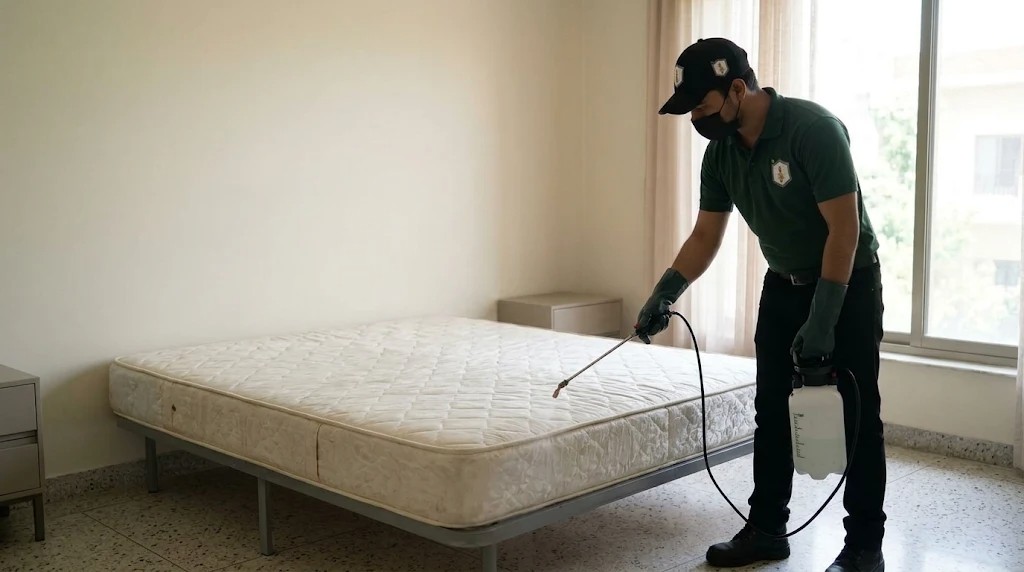
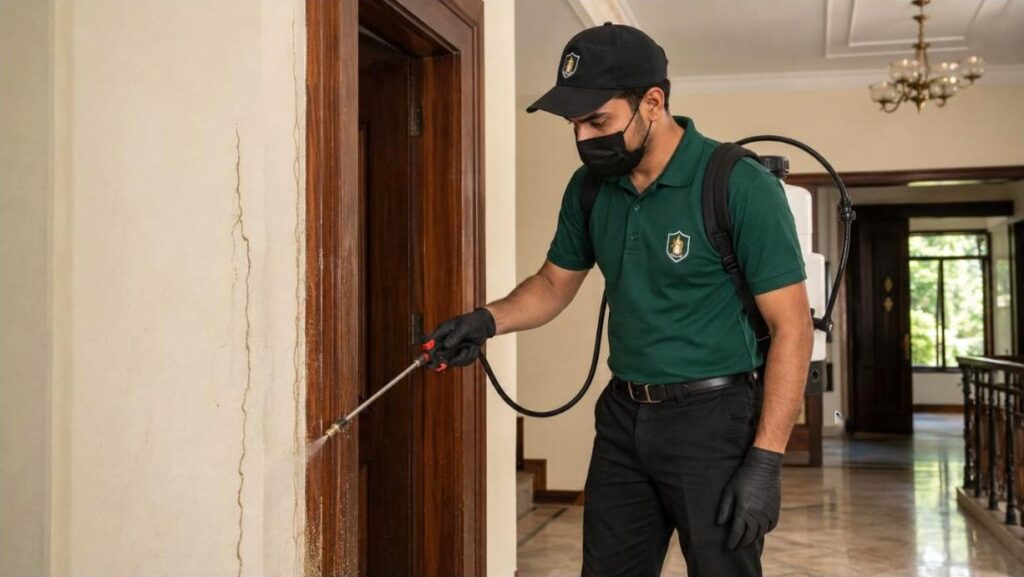
Residual sprays are applied to walls and resting surfaces, so mosquitoes pick up the treatment simply by landing there. These last considerably longer than aerosol sprays.
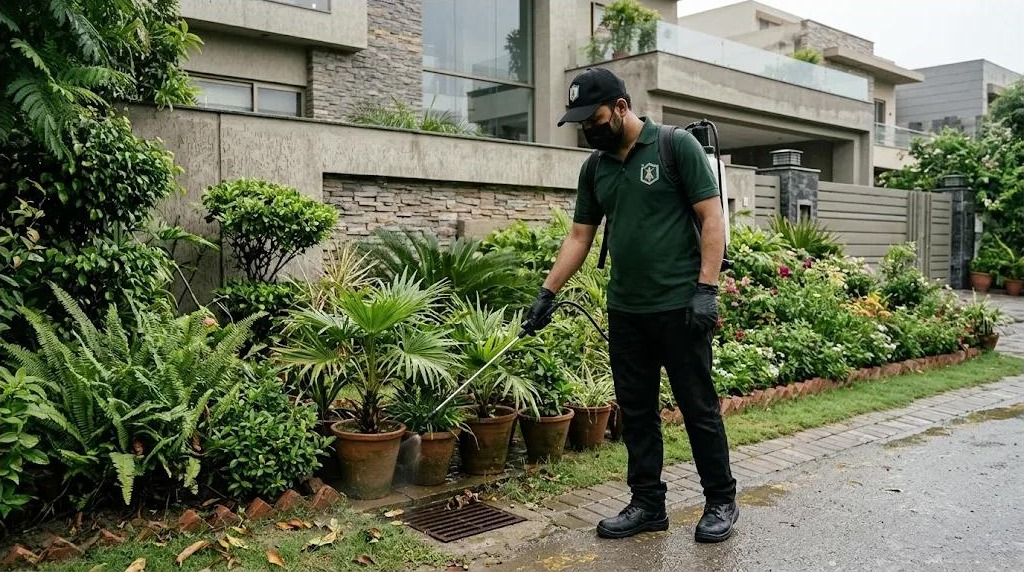
Outdoor spraying targets bushes, fences, and shaded corners around the property, reducing how many mosquitoes make it indoors in the first place.
A mosquito spray for home use works well for occasional problems in one or two rooms. For anything beyond that — a garden, a courtyard, or a recurring problem — spraying alone usually isn’t enough.
When Mosquito Fumigation Makes More Sense
Mosquito fumigation goes further than spraying. Instead of treating a wall or a room, it fills a space with a fine mist that reaches gaps, corners, and hiding spots a hand spray simply can’t — under furniture, behind cupboards, inside cracks, and around drains.
It’s usually worth considering when:
- Mosquitoes keep returning within days of spraying
- The property is large or has significant outdoor greenery
- A commercial space — an office, restaurant, or warehouse — needs treatment
- Mosquito activity is unusually high for the season
Because fumigation covers a wider area more thoroughly, it’s often carried out through professional mosquito control services rather than attempted at home, since proper equipment and dosage matter for both results and safety.
Mosquito Fogging Services for Outdoor Areas
Mosquito fogging services use a machine to turn a chemical solution into a fine mist that settles across a wider outdoor area — gardens, lawns, community spaces, and anywhere near standing water. A regular spray bottle simply can’t cover that kind of ground.
Fogging is often scheduled seasonally, ahead of the months when mosquito activity typically rises, as a preventive step rather than a reaction to an existing problem. Housing societies and commercial properties frequently use it every few weeks during high-risk periods to stop mosquito populations from building up in the first place.
Mosquito Removal Services vs Doing It Yourself
At some point, most households weigh DIY methods against calling in mosquito removal services. A simple way to decide:
DIY tends to work when:
- The problem is limited to one or two rooms
- Visible standing water has already been removed
- Mosquito activity is occasional, not constant
Professional mosquito removal services make more sense when:
- Mosquitoes are present throughout the day, not just evenings
- The property has a garden, courtyard, or nearby drainage
- Previous spraying hasn’t given lasting results
- Commercial-grade treatment is needed for a larger space
Professional teams also inspect the property first, find where mosquitoes are actually breeding, and treat that specific spot — rather than spraying broadly and hoping for the best.
Daily Mosquito Prevention Habits That Add Up
Mosquito prevention is less about products and more about consistency. A few habits, kept up regularly, make a bigger difference than an occasional deep clean:
- Empty standing water weekly — pots, saucers, buckets, coolers
- Clean gutters and drains so water doesn’t sit and stagnate
- Trim overgrown grass and bushes where mosquitoes rest during the day
- Use fine mesh screens on windows and doors
- Keep water tank lids tightly sealed
- Use a mosquito spray for home in the evening, when activity peaks
- Book mosquito control services every few months, rather than waiting for a visible problem
None of these steps alone eliminates mosquitoes completely — but together, they make a home a much harder place for mosquitoes to survive and breed.
Best Timing for Mosquito Treatment
Mosquitoes are most active during early morning and dusk, so treatment timed around these windows tends to work best. Starting prevention before mosquito numbers build up also matters more than most people realize — once an infestation is already established, treatment has to work much harder to bring it back down.
Key Features to Look For in a Mosquito Control Service
When comparing mosquito control services, a few things are worth checking:
- A proper property inspection before any treatment is applied
- A choice of spraying, fumigation, or fogging depending on the space
- Safe, approved products suitable for homes with children and pets
- A follow-up visit to confirm results
- Coverage for both residential and commercial properties
Frequently Asked Questions
Q1: How often should mosquito spraying be done at home?
Mosquito spraying every few weeks during peak mosquito activity is usually enough for most homes. If mosquitoes return within just a few days, it often means a nearby breeding spot hasn’t been addressed, and mosquito fumigation or a professional inspection may be worth considering.
Q2: What’s the difference between mosquito fumigation and fogging services?
Mosquito fumigation typically targets indoor spaces, reaching cracks, corners, and drains a spray can’t cover. Mosquito fogging services are generally used outdoors, covering wider areas like gardens and lawns with a fine mist. Many properties benefit from a combination of both.
Q3: Can mosquito prevention alone keep a home mosquito-free without spraying?
Prevention steps — removing standing water, sealing tanks, using screens — significantly reduce mosquito breeding, but they rarely eliminate an existing population on their own. Pairing prevention with regular mosquito spraying or professional mosquito removal services tends to give the most reliable, lasting result.
Get Lasting Mosquito Control for Your Home
Mosquitoes rarely disappear after a single spray — lasting results come from a plan that combines prevention, targeted treatment, and follow-up. If your home or business needs more than a DIY approach, Eco Defend offers professional mosquito control services, including spraying, fumigation, and fogging tailored to your property.
Visit Eco Defend to learn more about our services, or Contact Us to book an inspection today.