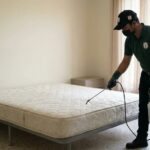

Bed bugs in hotels and hostels can create serious problems for guests, property managers, and hospitality businesses. These tiny, blood-feeding insects hide in mattresses, bed frames, furniture, and narrow cracks, making them difficult to detect without a proper bed bug inspection.
Whether you manage a luxury hotel, budget hostel, guesthouse, or student accommodation, regular inspections help identify infestations early, protect guests, and reduce the need for extensive bed bug treatment.
This guide explains how to identify signs of bed bugs, inspect rooms step by step, prevent infestations, and understand when professional bed bug control services are necessary.
Why Are Bed Bugs Common in Hotels and Hostels?
Hotels and hostels receive guests from different locations every day. Bed bugs can travel inside luggage, clothing, backpacks, and personal belongings.
Unlike many other pests, bed bugs are not necessarily associated with poor hygiene. Even well-maintained hotels can experience infestations.
Common risk factors include:
- Frequent guest arrivals and departures.
- Shared bedrooms and sleeping facilities.
- Luggage stored near beds.
- Second-hand mattresses and furniture.
- Undetected infestations in neighboring rooms.
- Lack of routine hotel pest control inspections.
Without early detection, a small bed bug infestation can spread to multiple rooms, increasing treatment costs and disrupting hotel operations.
Common Signs of Bed Bugs in Hotel Rooms
Before starting a detailed inspection, housekeeping staff and hotel managers should understand the most common signs of bed bug infestation.
1. Small Blood Stains on Bedsheets
Tiny reddish or brownish marks on bedsheets, pillowcases, and mattress covers may indicate bed bug activity.
2. Dark Spots on Mattresses
Bed bugs leave dark fecal stains around mattress seams, bed frames, and other hiding places.
3. Live Bed Bugs
Adult bed bugs are small, flat, oval-shaped insects with reddish-brown bodies. Younger bed bugs are smaller and may appear pale.
4. Shed Skins and Eggs
Growing bed bugs shed their outer skins. Small, whitish eggs and empty eggshells may also appear in hidden areas.
5. Unexplained Guest Complaints
Guests may report itchy bites after sleeping. However, bed bug bites alone cannot confirm an infestation, because other insects and skin conditions can cause similar reactions.
Step-by-Step Bed Bug Inspection Checklist for Hotels
A structured hotel bed bug inspection checklist helps housekeeping teams examine rooms consistently.
Step 1: Prepare Your Inspection Tools
Before inspecting a hotel room, gather the necessary equipment.
Recommended inspection tools:
- Flashlight or mobile phone torch.
- Magnifying glass.
- Disposable gloves.
- Inspection checklist.
- Camera for documenting evidence.
- Small sealed container for insect samples.
- Sealable plastic bags.
Keep the inspection organized and record findings for future reference.
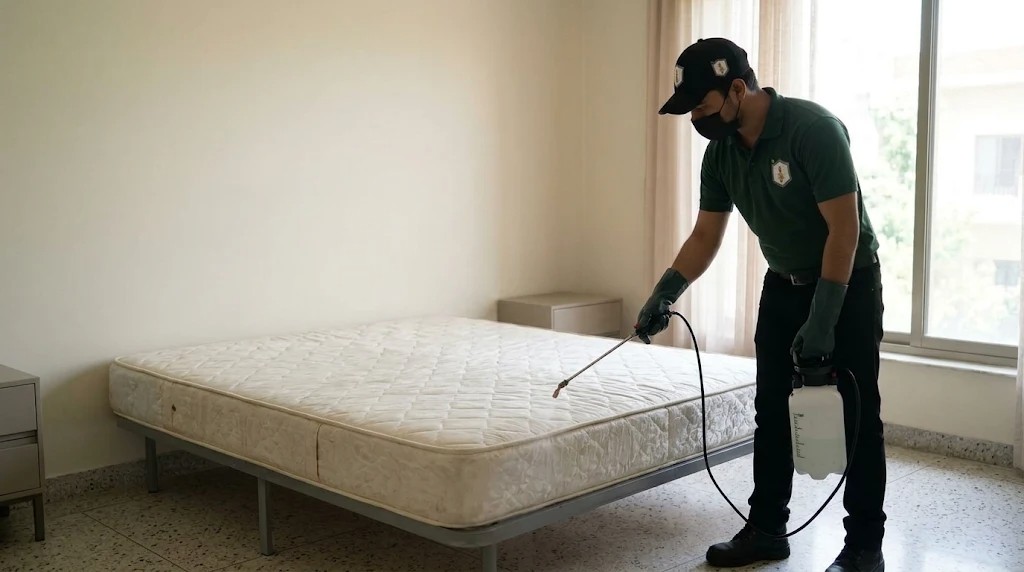
Step 2: Inspect Mattresses and Bedding
The mattress is one of the first places to check during a bed bug inspection.
Carefully examine:
- Mattress seams and stitching.
- Mattress corners and edges.
- Mattress labels and folds.
- Bedsheets and pillowcases.
- Mattress protectors.
- Box springs and their undersides.
Use a flashlight to identify dark stains, shed skins, eggs, or live insects.
Important: A clean-looking mattress does not guarantee that the room is free from bed bugs.
Step 3: Check Bed Frames and Headboards
Bed bugs often hide close to sleeping areas.
Inspect the following locations:
- Wooden bed frame joints.
- Headboard cracks and gaps.
- Bed legs and connecting points.
- Screw holes and narrow openings.
- Upholstered headboards.
- Spaces between the bed and wall.
For hostel rooms with bunk beds, inspect both upper and lower beds, including metal joints and ladder connections.
Step 4: Examine Furniture and Curtains
A thorough bed bug inspection in hotels should cover furniture beyond the sleeping area.
Check:
- Sofas and upholstered chairs.
- Bedside tables.
- Wardrobes and drawers.
- Curtain folds and seams.
- Furniture joints.
- Luggage racks.
- Carpets and rugs near beds.
Pay special attention to furniture positioned close to mattresses and sleeping areas.
Step 5: Inspect Walls and Hidden Spaces
Bed bugs can hide in narrow openings around a room.
Look carefully around:
- Wall cracks and crevices.
- Loose wallpaper.
- Skirting boards.
- Picture frames.
- Wall decorations.
- Gaps around electrical outlets.
Do not insert tools or spray chemicals into electrical outlets. Electrical fittings requiring removal should be handled by qualified personnel.
Step 6: Inspect Luggage Storage Areas
Luggage is an important consideration in bed bug prevention for hotels and hostels.
Inspect luggage racks, storage shelves, and nearby furniture. Encourage guests to keep suitcases closed and away from beds and floors.
Hostels should pay additional attention to shared luggage storage and sleeping areas.
Step 7: Document Inspection Findings
After completing the inspection, record the results.
Include:
- Room number and inspection date.
- Areas inspected.
- Evidence discovered.
- Photographs of suspected activity.
- Guest complaints, if any.
- Recommended corrective action.
- Follow-up inspection date.
Maintaining inspection records helps hotel management monitor recurring problems and coordinate professional pest control services.
Printable Hotel Bed Bug Inspection Checklist
Use this simple checklist during routine room inspections.
| Inspection Area | Check |
|---|---|
| Bedsheets and pillowcases | ☐ |
| Mattress seams and corners | ☐ |
| Mattress underside and box spring | ☐ |
| Bed frame and headboard | ☐ |
| Bedside tables and drawers | ☐ |
| Sofas and upholstered furniture | ☐ |
| Curtains and carpet edges | ☐ |
| Wall cracks and skirting boards | ☐ |
| Luggage racks and storage areas | ☐ |
| Adjacent rooms when activity is suspected | ☐ |
| Inspection findings documented | ☐ |
Tip: Housekeeping staff should look for warning signs during routine cleaning, while trained personnel should perform more detailed inspections whenever suspicious activity is reported.
What Should Hotels Do If Bed Bugs Are Found?
Discovering bed bugs in a hotel room requires prompt, organized action.
1. Remove the Affected Room From Service
Temporarily stop assigning guests to the suspected room until the infestation has been assessed and appropriate action completed.
2. Inform Hotel Management
Report the issue immediately and document all available evidence.
3. Inspect Nearby Rooms
Check rooms sharing walls, floors, or ceilings with the affected room. This helps determine whether the infestation has spread.
4. Handle Bedding Carefully
Place potentially infested bedding in sealed bags before moving it to laundry facilities. Use appropriate high-temperature laundering and drying methods when the fabric permits.
5. Arrange Professional Bed Bug Treatment
Contact a qualified bed bug exterminator or pest control company for identification, inspection, and an appropriate treatment plan.
Professional treatment may involve targeted insecticide applications, steam, heat, vacuuming, and follow-up monitoring.
Avoid applying random household insecticides or excessive chemical sprays, especially around guest bedding.
How to Prevent Bed Bugs in Hotels and Hostels
Preventing a serious infestation requires consistent monitoring and staff awareness.
Train Housekeeping Staff
Teach employees how to recognize bed bugs, eggs, shed skins, and dark stains.
Schedule Regular Inspections
Establish routine bed bug inspection services based on room occupancy, previous incidents, and property risk.
Use Mattress Encasements
Quality bed bug-resistant mattress encasements can reduce hiding places and make inspections easier.
Reduce Clutter
Keep storage areas organized and avoid unnecessary items beneath beds.
Inspect Second-Hand Furniture
Examine used mattresses, sofas, and bed frames before introducing them into guest rooms.
Establish a Pest Management Plan
A structured Integrated Pest Management (IPM) program combines inspection, monitoring, prevention, staff training, and targeted treatment.
Professional Bed Bug Control Services in Pakistan
Hotels and hostels in major Pakistani cities face similar challenges because of frequent guest movement and shared accommodation.
Property managers searching for bed bug control services in Islamabad, bed bug treatment in Rawalpindi, bed bug control in Lahore, or bed bug treatment in Karachi should prioritize experienced pest management professionals.
A professional inspection helps identify affected areas, evaluate infestation severity, and recommend suitable treatment methods.
For commercial properties, a planned hotel pest control service can also include inspection reports, staff guidance, preventive monitoring, and follow-up visits.
Frequently Asked Questions (FAQs)
1. How often should hotels inspect rooms for bed bugs?
Housekeeping staff should look for visible warning signs during regular room cleaning. Detailed inspections should follow a risk-based schedule, with immediate inspections whenever guests or employees report suspected bed bug activity.
2. Can bed bugs spread from one hotel room to another?
Yes. Bed bugs can move through cracks, wall openings, and adjoining spaces. They may also spread through luggage, furniture, bedding, and personal belongings. Nearby rooms should be inspected when an infestation is confirmed.
3. What is the best way to get rid of bed bugs in a hotel?
The most reliable approach combines professional bed bug inspection, targeted treatment, careful handling of infested items, and follow-up monitoring. The treatment method depends on the infestation level and room conditions.
Conclusion
Bed bugs in hotels and hostels require early detection, regular inspections, and proper management. Checking mattresses, headboards, furniture, storage areas, and nearby rooms can help prevent minor infestations from becoming major operational problems.
A consistent bed bug inspection checklist, trained housekeeping staff, and professional pest management support can help hotels maintain cleaner, more comfortable accommodation for guests.
Need Professional Bed Bug Control Services?
If you suspect a bed bug infestation in your hotel, hostel, guesthouse, or commercial property, timely professional assistance can help identify the problem and prevent further spread.
Eco Defend provides pest management solutions for residential and commercial properties, including bed bug control services.
Visit Eco Defend to learn more about our pest control solutions and contact our team to discuss your property’s inspection and treatment requirements.
Protect Your Guests. Maintain Your Reputation. Take Action Against Bed Bugs.